
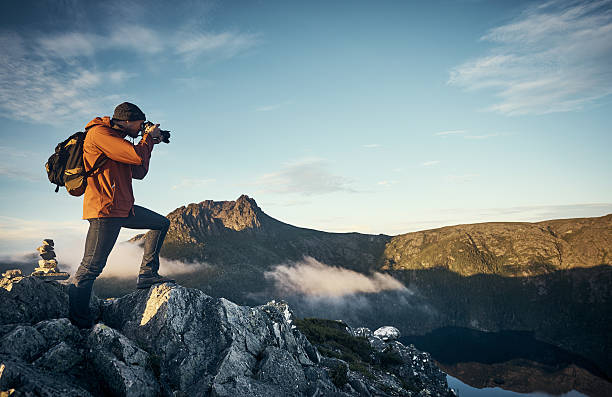
Natural light can be one of the most powerful tools in photography, creating beautiful, soft, and dynamic images without the need for expensive lighting equipment. Learning how to work with available light will help you capture stunning photos in any setting.
The best time to shoot outdoors is during golden hour, which occurs shortly after sunrise and before sunset. The warm, diffused light during these times creates a soft glow that enhances skin tones and adds depth to landscapes. Avoid shooting in harsh midday sunlight, as it can create unflattering shadows and overexposed highlights. If shooting at noon is necessary, look for shaded areas or use a reflector to bounce light onto your subject for a more balanced exposure.
Window light is a great alternative for indoor photography. Position your subject near a window to take advantage of soft, directional light. Adjust your angle to control the shadows and highlights, creating different moods in your images. Sheer curtains can diffuse the light for a gentler effect, while a white surface, such as a wall or foam board, can help reflect light onto your subject for an even tone.
Cloudy days are ideal for outdoor portraits, as the clouds act as a natural diffuser, creating soft and even lighting. This eliminates harsh shadows and makes it easier to capture well-exposed images without additional equipment. Overcast skies are also great for capturing rich colors in landscapes, as they reduce glare and prevent overly bright highlights.
Backlighting can create a dreamy, glowing effect when the sun is positioned behind your subject. This technique works well for portraits, nature photography, and creative compositions. To prevent your subject from becoming too dark, adjust your exposure by slightly overexposing the image or using a reflector to bounce light onto their face. Silhouettes can also be a striking way to use backlighting, allowing you to highlight shapes and outlines against a bright sky.
Controlling shadows is key to achieving balanced images. In harsh lighting conditions, positioning your subject at an angle to the light source can create depth and drama without making shadows too overwhelming. If you want to soften shadows, a simple white card, reflector, or even a piece of fabric can help bounce light back onto the darker areas.
Experimenting with different lighting conditions will improve your ability to adapt and make the most of available light. Pay attention to how light interacts with your subject, and adjust your shooting techniques to capture the best possible image. Mastering natural light photography allows you to create professional-looking photos without relying on artificial lighting, making it a cost-effective and rewarding skill for any photographer.